A Person Ahead of Their Time
The Life and Legacy of a Revolutionary Military Surgeon who Changed Medical History
Reform
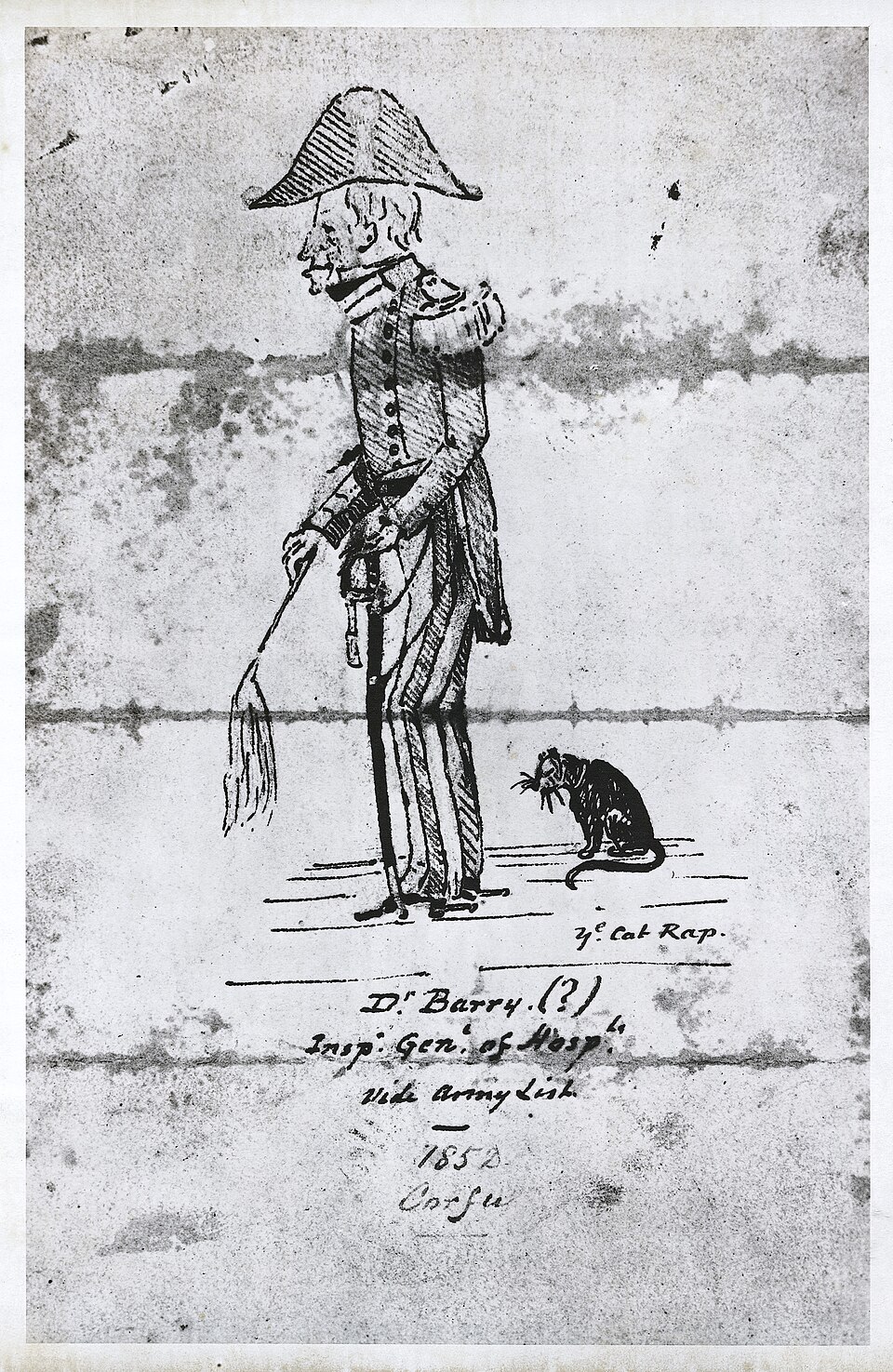
“Sketch; Dr. James Barry”-Domain Media Search Engine Public Domain
Throughout his career in the British Army, Dr. James Barry reformed military and public healthcare by prioritizing sanitation, nutrition, and humane treatment before such practices were standardized.
"I am now prepared to serve Her Majesty in any quarter of the Globe to which I may be sent." (Spoken when arguing against a forced retirement due to ill health).
Rising the ranks to General, he enforced regulations that lowered mortality rates and improved water systems for soldiers and civilians. He advocated for prison reform, better diets, family housing for troops, and equal medical treatment for enslaved African Americans and impoverished patients.
Conclusion
Even with all of his accomplishments, his 1826 successful C-section in Africa marked a turning point in British medical history and solidified his legacy as a reformer and pioneer. Barry remains a seminal figure in transgender history and a symbol of the fight for professional equality. “He must have realised at this period considerable sums by his private practice, but he never changed his mode of living. He kept a black servant, a serviceable pony, and a small dog called Psyche.” (A mystery still by Charles Dickens Journals)

¨Portrait of James Barry, born Margaret Ann Bulkley 1799-1865¨ -Artware Fine Art
“He was gifted with much acuteness and had a good memory.” (Edward Bradford)
Priya Rathod and Emma Stephans
Junior Group Division
Word Count: 1200
Process Paper: 494
Media Time: 3:00
Dr. James Barry, born as Margaret Anne Bulkley around 1789, was a pioneering surgeon who reformed gender norms to achieve historical medical breakthroughs by becoming a proficient surgeon and performing the first successful C-section where both the mother and child survived, done by a born biological woman. Despite living in a restrictive society, he distinctively revolutionized modern gender equality.